Soil Science Laboratory

Lab overview

Equipment list

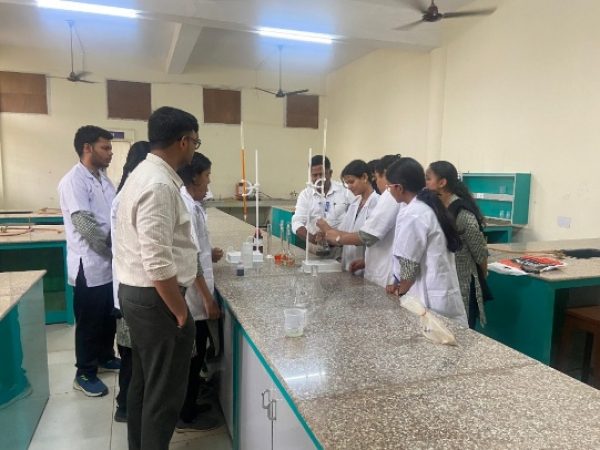
Distillation Assembly
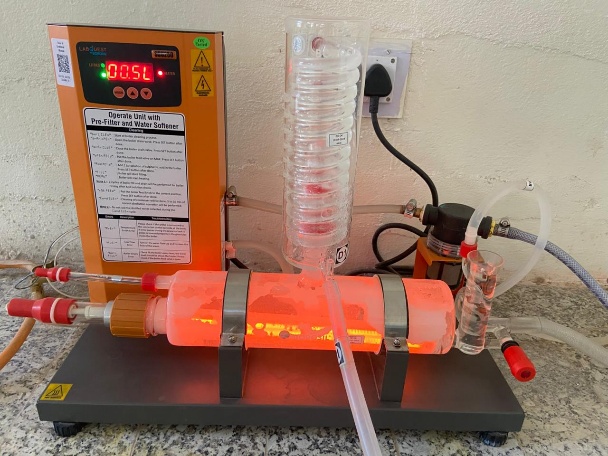
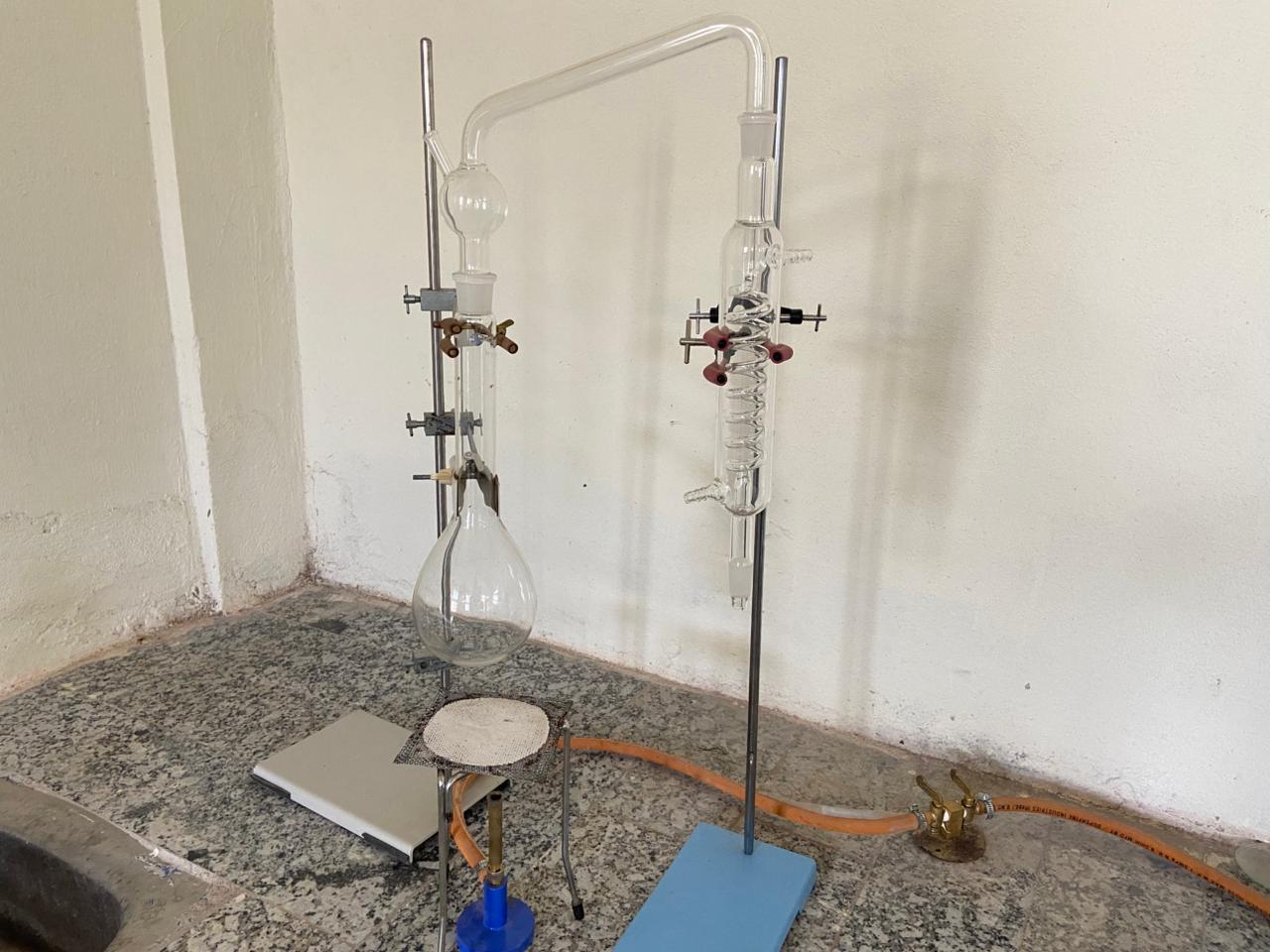
Distillation Assembly is used to prepare high-purity distilled water by boiling a water source and condensing the steam, ensuring the water is free from mineral and microbial impurities for sensitive soil and plant chemical analyses.
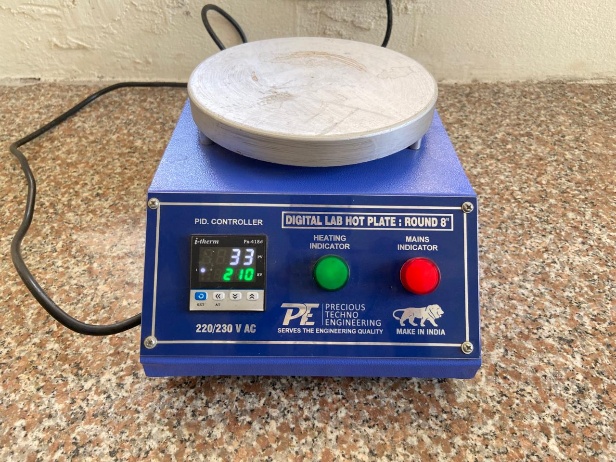
Hot plate

Hot plate is used for the acid digestion of soil samples and heating chemical reagents to extract nutrients or pollutants for analysis.

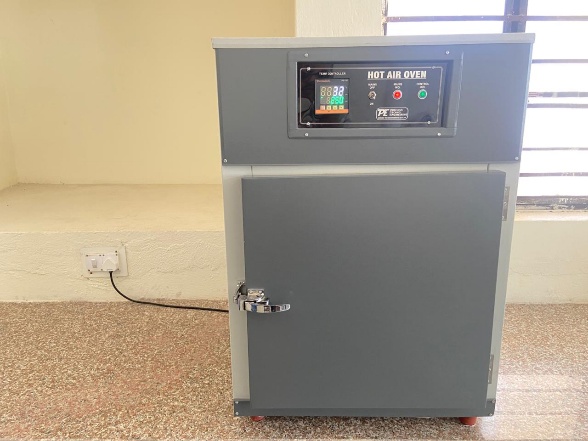
Hot air oven

Hot air oven is used to determine soil moisture content by drying samples at 105°C and to sterilize laboratory glassware for microbiological analysis.

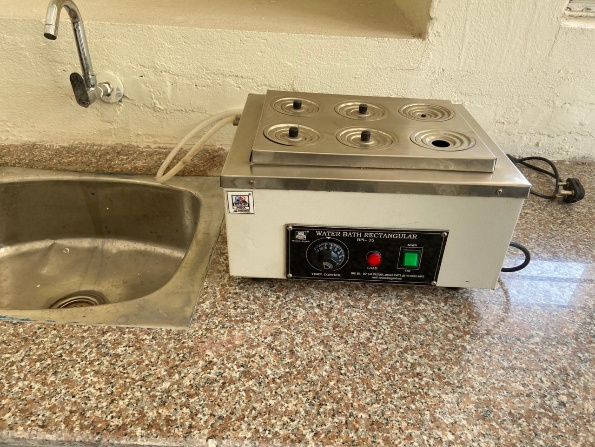
Water bath

Water bath provides gentle, indirect heating for soil extractions, melting agar, or maintaining constant temperatures during enzymatic and microbial activity assays.

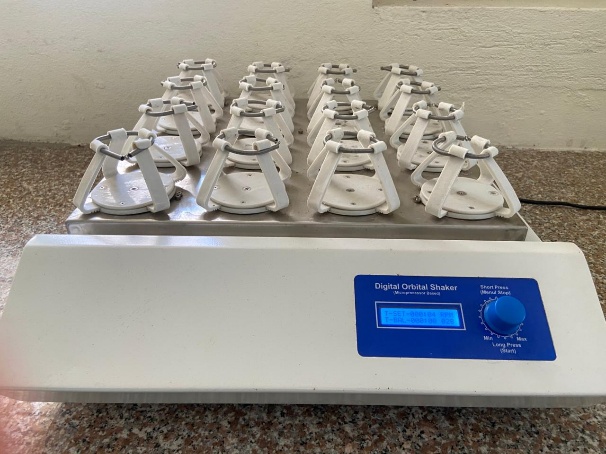
Orbital rotary shaker

Orbital rotary shaker is used to continuously agitate soil-solvent mixtures to ensure the complete extraction of nutrients, metals, or organic pollutants into the liquid phase.

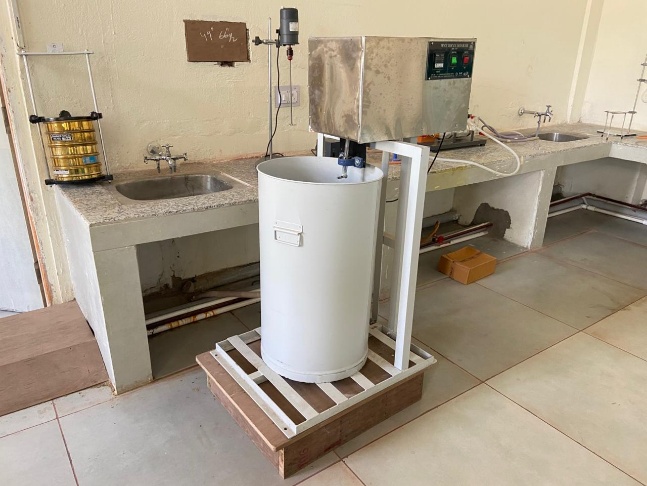
Wet sieve shaker

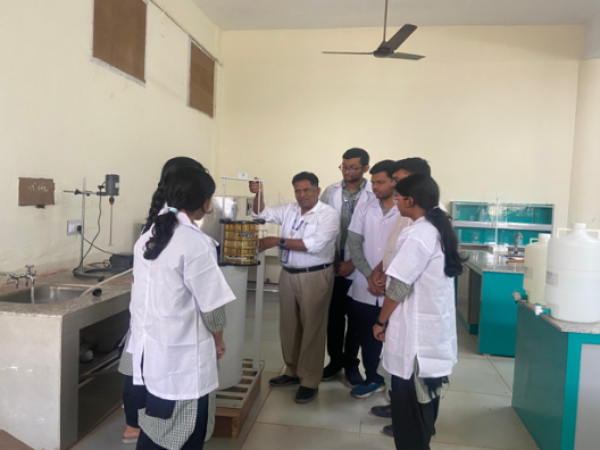
Wet sieve shaker is used to determine the water-stable aggregate stability of soil by measuring the resistance of soil crumbs to breakdown while submerged and agitated in water.

Electric stirrer

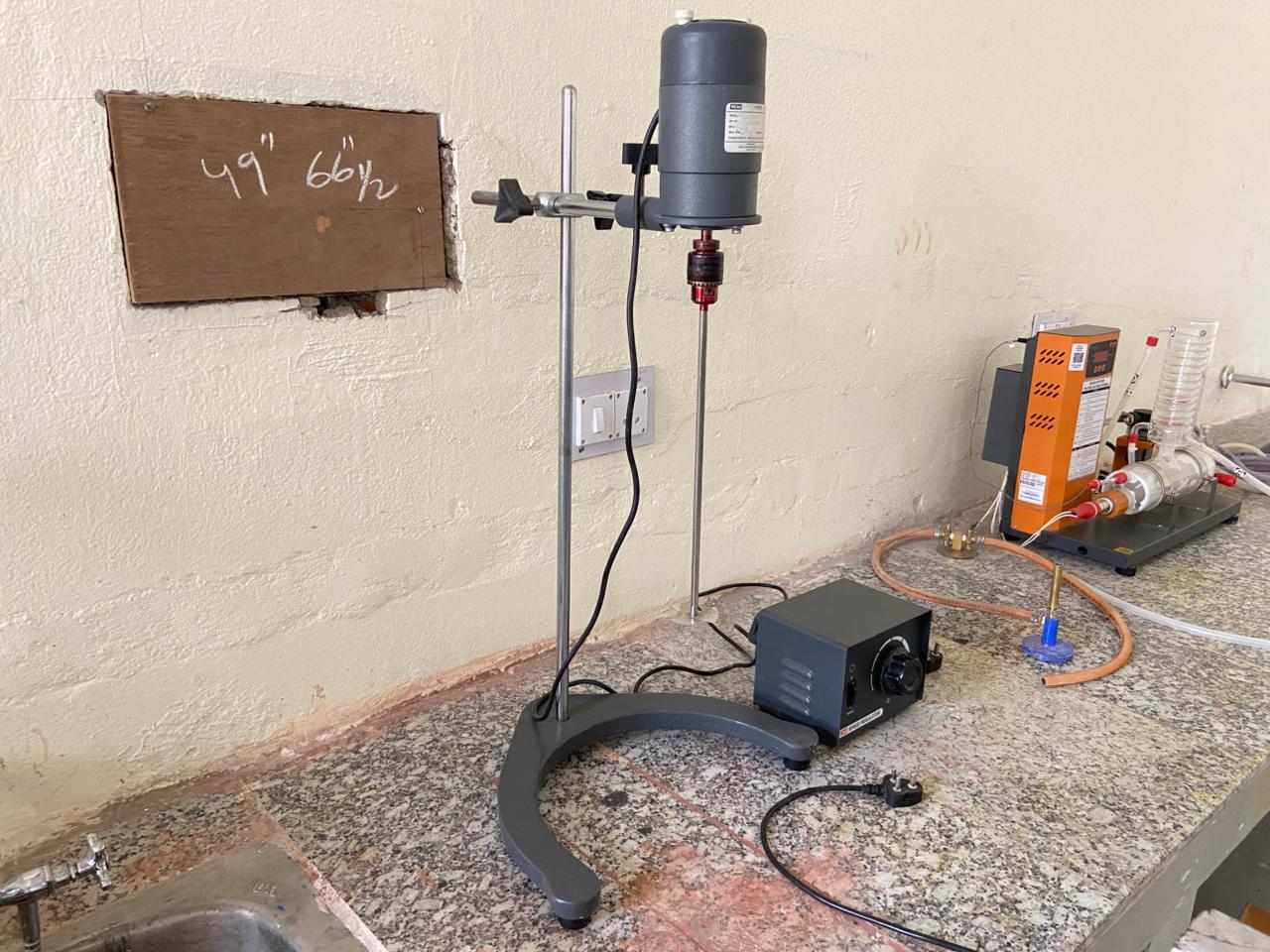
electric stirrer (with a baffled dispersion cup) is used to mechanically break down soil aggregates into individual sand, silt, and clay particles by high-speed mixing with a chemical dispersing agent.

Kjeldahl apparatus

Kjeldahl apparatus is used to measure soil available nitrogen and plant N. It convert ammonium ions from digested soil into ammonia gas, which is then captured in a receiving solution to quantify the total nitrogen content

Spectrophotometer

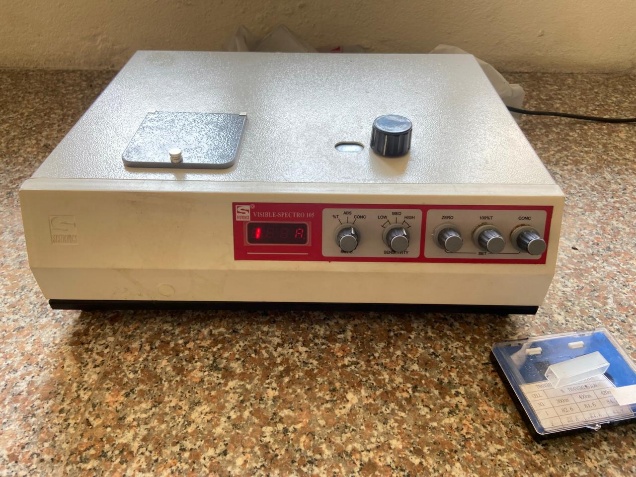
Spectrophotometer is used to determine the concentration of specific nutrients (like phosphorus) or heavy metals in soil extracts by measuring the intensity of light absorbed by a colored chemical complex

Flame Photometer

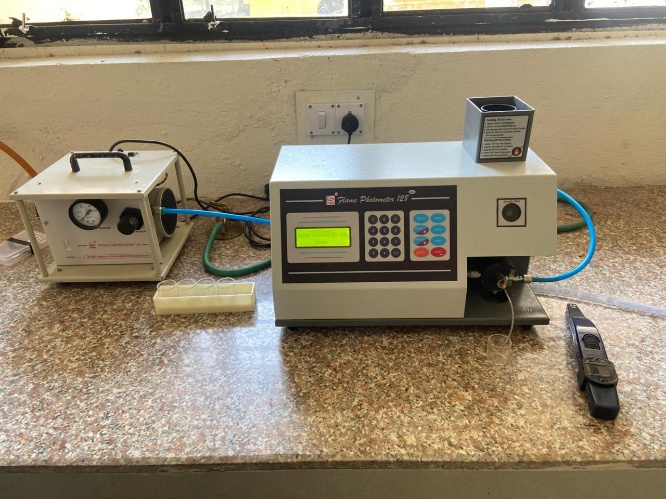
Flame Photometer is used to measure the concentration of alkali and alkaline earth metals—primarily Potassium (K) and Sodium (Na)—in soil and plant extracts by measuring the intensity of light emitted when the sample is aspirated into a flame.

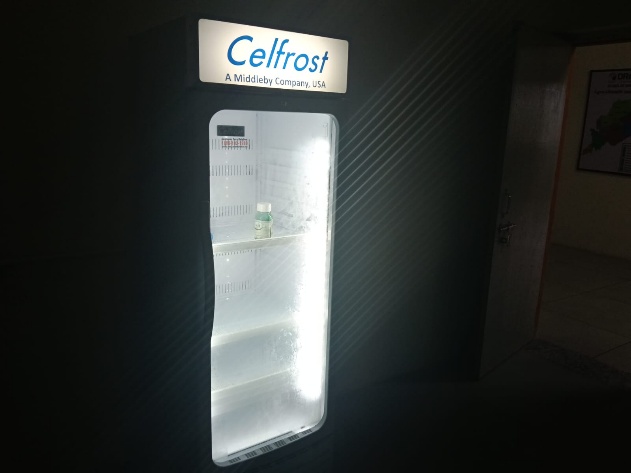
Freezer

Freezer is used to store soil samples and microbial extracts at sub-zero temperatures (typically -20°C to -80°C) to halt biological activity and preserve chemical integrity before analysis.

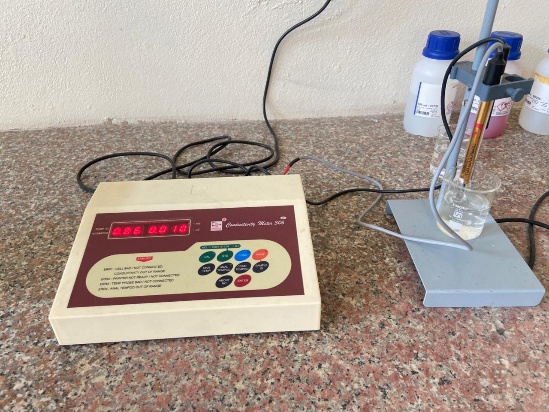
EC Meter

EC Meter (Electrical Conductivity meter) measures the ability of a soil-water extract to conduct electricity, which directly indicates the total soluble salt concentration and degree of soil salinity.

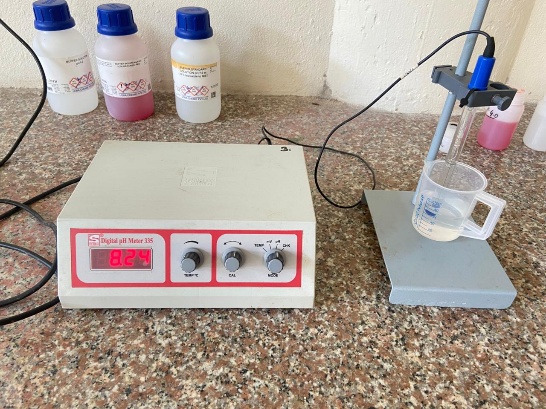
pH Meter

pH Meter is used to determine the active acidity or alkalinity of a soil-water suspension by measuring the hydrogen ion concentration to assess nutrient availability and chemical suitability for crops.

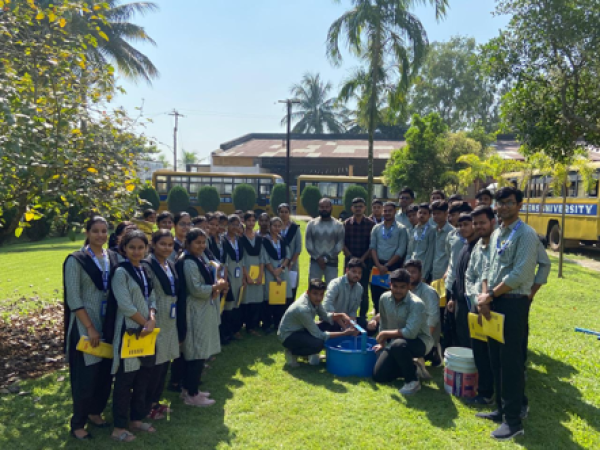
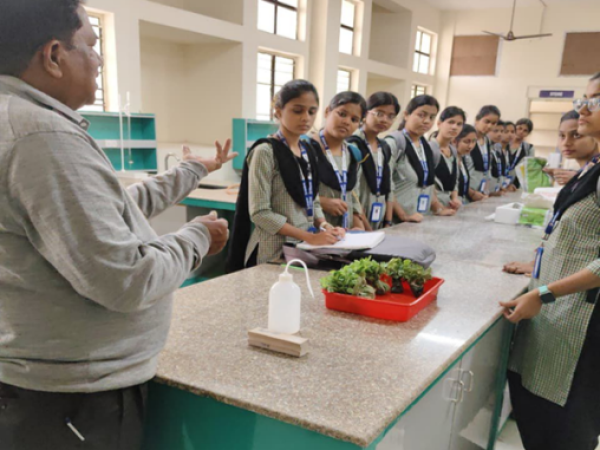
Student class activities